When rising bond yields become a market accident
There is a temptation to treat every large move in government bonds as the start of a fiscal crisis. That is too dramatic. Most repricings hurt without breaking anything.
The distinction matters now because long-term yields have risen together across the United States, Britain, France and Japan. Those markets do not share one fiscal story. They do share a harder global environment for long-duration assets: heavy government issuance, energy inflation, quantitative tightening and fewer natural buyers willing to lock money away for decades.
China is the outlier. That lowers its discount-rate pressure, but does not remove company, policy or geopolitical risk.
The first-order effect is familiar. Higher bond yields raise the discount rate applied to future cash flows. Expensive AI companies feel this quickly because much of their expected value sits years ahead. The second-order effect is more dangerous. A sufficiently violent move can expose leverage and force funds to sell into a falling market.
France is a credibility test, not yet a funding crisis
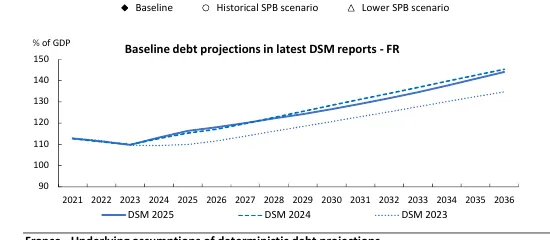
France attracts attention because political paralysis and weak fiscal delivery can lift the risk premium over German debt. The European Commission’s latest baseline has public debt rising from 113.2% of GDP in 2024 to 144% in 2036. It puts a 95% probability on the debt ratio being higher in 2030 than it was in 2025.
Fitch’s scheduled review on 28 August gives the market a focal point. The rating itself is not the main signal. I would watch the France-Germany spread, auction demand and bank funding conditions. France’s negotiable debt has an average maturity of about eight years and five months, so there is no single refinancing cliff. That buys time. It does not solve the arithmetic.
Britain has its own unpleasant mechanics
The UK is unusually exposed to inflation through index-linked gilts and the cost of reserves created under quantitative easing. A rise in inflation or Bank Rate therefore reaches the public finances faster than the headline maturity profile suggests.
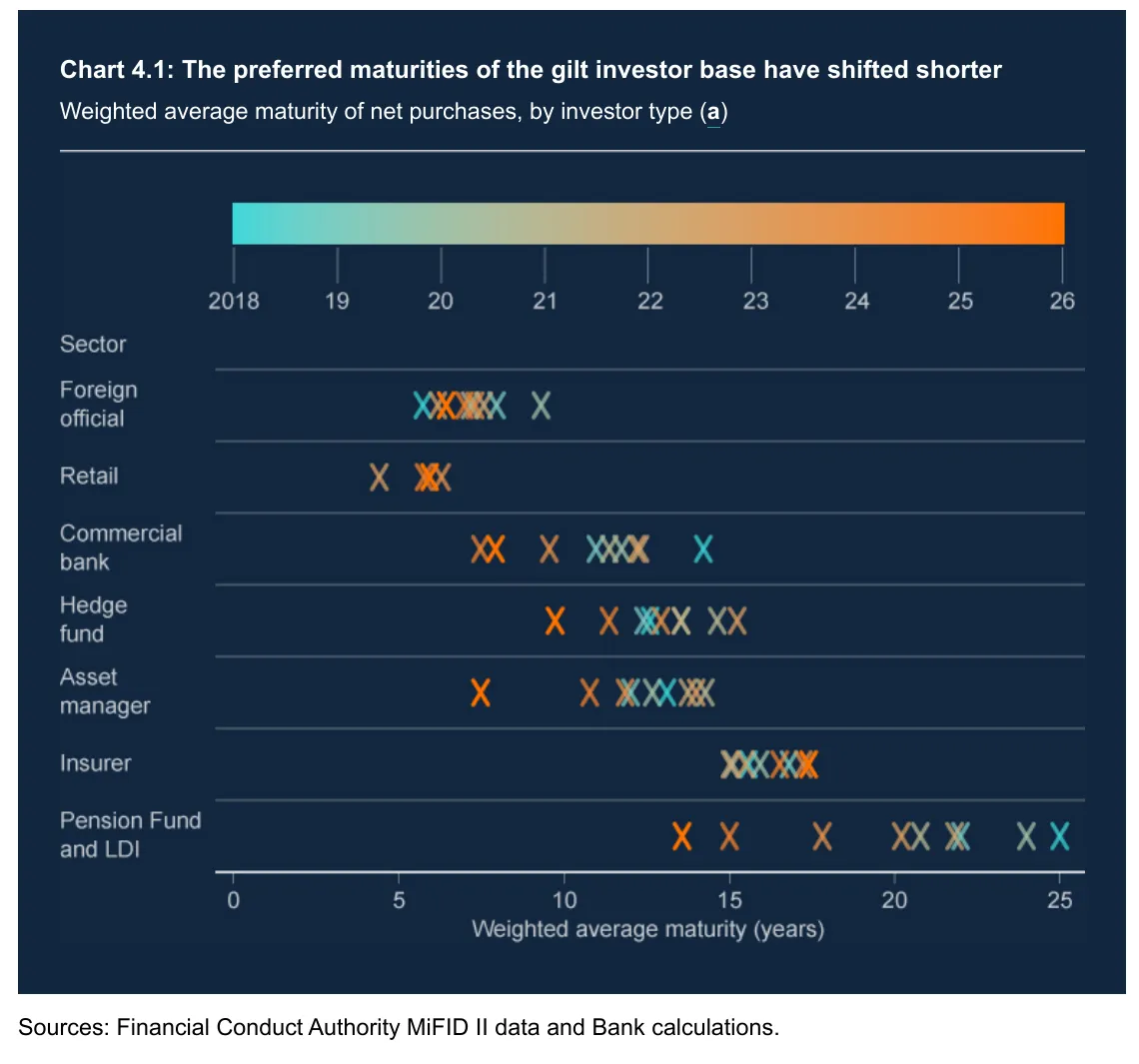
The Bank of England’s July Financial Stability Report adds another concern. Pension funds and liability-driven investors bought gilts with an average maturity of about 25 years in 2018. By 2026 that had fallen to about 14 years. Hedge funds now play a larger role in government debt markets, but they are more price-sensitive and use more borrowed money. Gilt yields were already amplified by hedge fund deleveraging during the year’s most volatile period.
Japan matters through the yen
A high Japanese government bond yield is not enough to trigger a global sell-off. The dangerous combination is rising Japanese yields, a fast-rising yen and higher volatility.
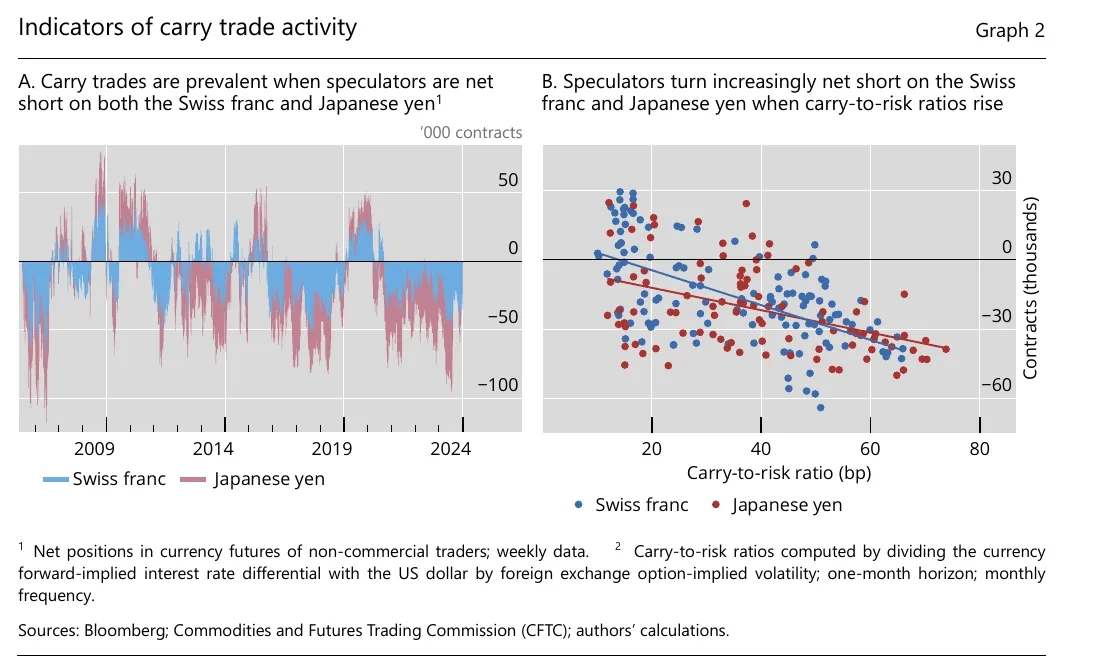
Carry traders borrow cheaply in yen and buy higher-yielding assets elsewhere. If the yen strengthens, the liability grows while the asset may be falling. The Bank for International Settlements found that large short positions in funding currencies can amplify exchange-rate moves when policy tightens. This is why USD/JPY tells us more about immediate danger than the Japanese ten-year yield on its own.
What would change our minds
Moving to cash after a sharp repricing can be sensible, but “risk off” is not a permanent thesis. Re-entry should also be staged.
I would want several signals to improve together: the France-Germany spread and auction demand stabilise, the yen calms, and US and UK long yields stop making new highs. Company evidence still comes first. A cheaper Amazon is more attractive only if AWS growth, utilisation and cash returns continue to support the investment case.
Alibaba offers relief from Western discount rates because Chinese yields remain low. It replaces that risk with Chinese policy, geopolitics and execution. Calling it a safe haven would be a category error.
Sources
- Bank of England, Financial Stability Report, July 2026
- Bank for International Settlements, Monetary policy transmission to exchange rates, May 2026
- Fitch Ratings, 2026 sovereign review calendar
- Agence France Trésor, negotiable debt outstanding at 31 July 2026
- European Commission, Debt Sustainability Monitor 2025
Working draft. Market levels and claims will receive a final source check before publication.